



ESD Anti-Static Polycarbonate Sheet for Cleanroom and Electronics Projects
Factory-direct ESD anti-static polycarbonate sheet for electronics, semiconductor, medical laboratory and industrial automation projects. Bakway supplies transparent PC panels with controlled surface resistance, optical clarity and project-specific processing support.
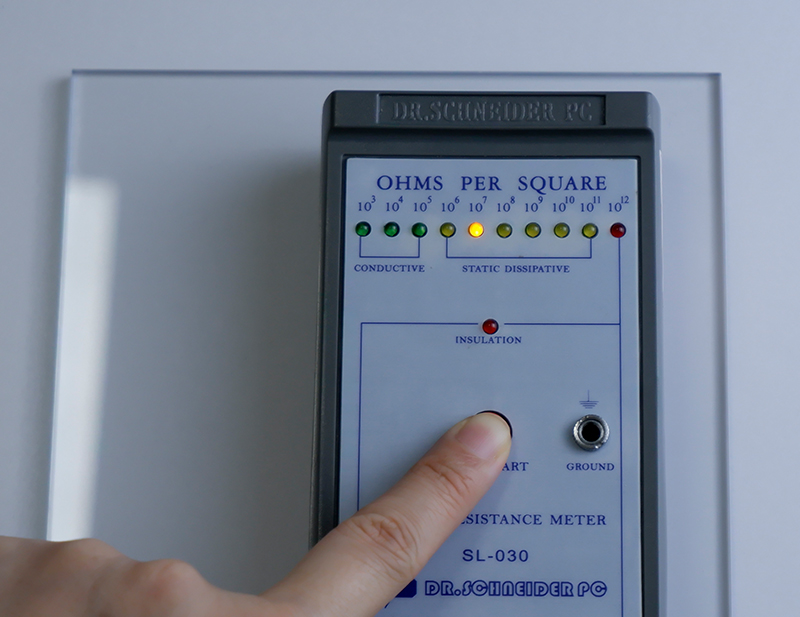
Precision Electrostatic Discharge (ESD) Control
Permanent ESD Protection: Surface resistance of 10^6 ~ 10^9 Ω, compliant with IEC 61340-5-1.
Static Dissipation
Designed to reduce charge accumulation on transparent covers, partitions and viewing windows around sensitive electronic components.
Controlled Resistance
Surface resistance target supports ESD control while preserving the visibility and impact resistance of polycarbonate.
UV & Scratch Resistant
Superior weatherability with ≥98% UV blocking rate for demanding transparent panel applications.
Cleanroom Compatible
★ Cleanroom Compatible & IATF 16949 Quality Certified.
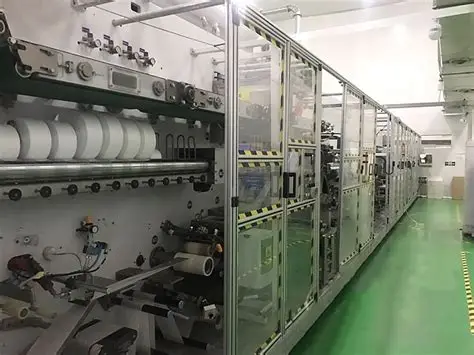
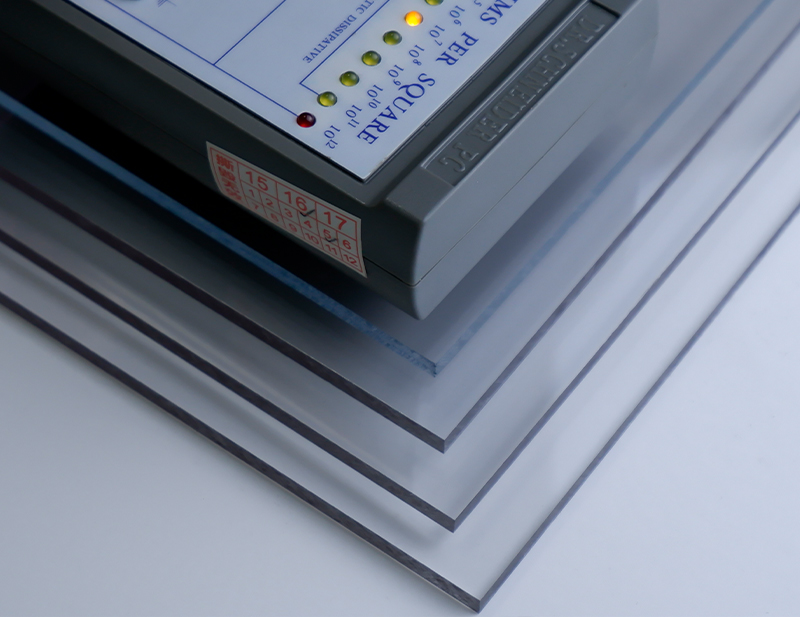
Dual Manufacturing Methods
Choose between high-clarity Surface Coating or long-life Modified Extrusion. The right option depends on project life, cleaning frequency, width, optical requirement and whether the part is a replaceable cover or a long-term equipment panel.
| Method | Best Fit | Buyer Check |
|---|---|---|
| Surface Coating | High-clarity transparent panels and shorter service-cycle covers. | Confirm coating life, cleaning method and max width limitation. |
| Modified Extrusion | Long-life anti-static sheet where ESD function is required through the material system. | Confirm target resistance, color, thickness and expected service life. |
| Optical Grade Clarity | Equipment viewing windows, test stations and inspection covers. | Review haze, light transmission and surface quality before sample approval. |
Technical Datasheet: Bakway ESD Series
Use this table as the technical starting point for RFQ and sample approval. Final values depend on process route, thickness, coating, color, cleaning condition and application environment.
| Property | Testing Method / Standard | Value |
|---|---|---|
| Surface Resistance | IEC 61340-5-1 | 10^6 ~ 10^9 Ω |
| UV Blocking Rate | Spectrometer Test | ≥ 98% |
| Standard Thickness | ISO Standard | 2mm - 12mm |
| Max Width | Coating Limit | ≤ 1500 mm |
| Service Life (Coating) | Surface Application | 0.5 - 1 Year |
| Service Life (Extrusion) | Modified Compound | 3 - 5 Years |
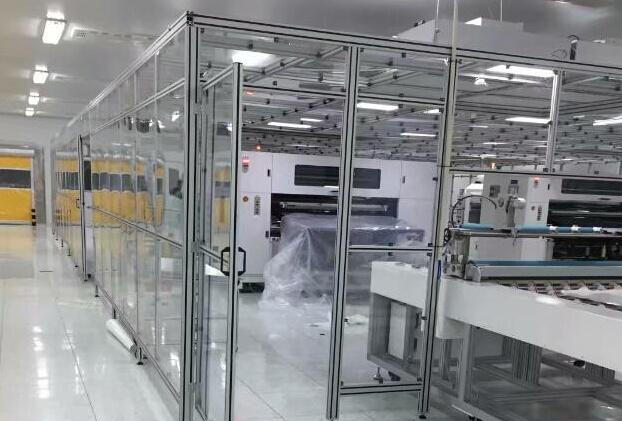
Applications for ESD Anti-Static PC Sheet
Anti-static polycarbonate is selected where dust attraction, electrostatic interference or uncontrolled discharge can affect electronic components, cleanroom operations or sensor-based automation.
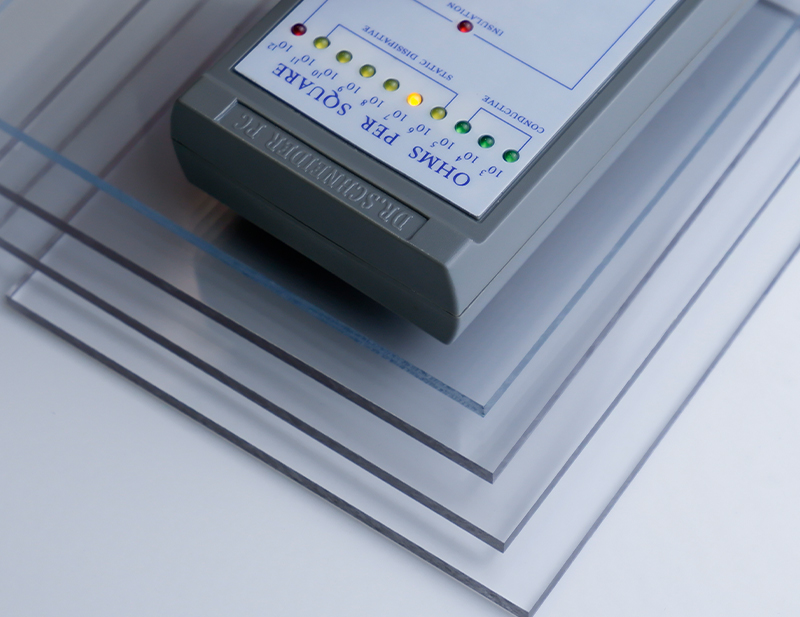
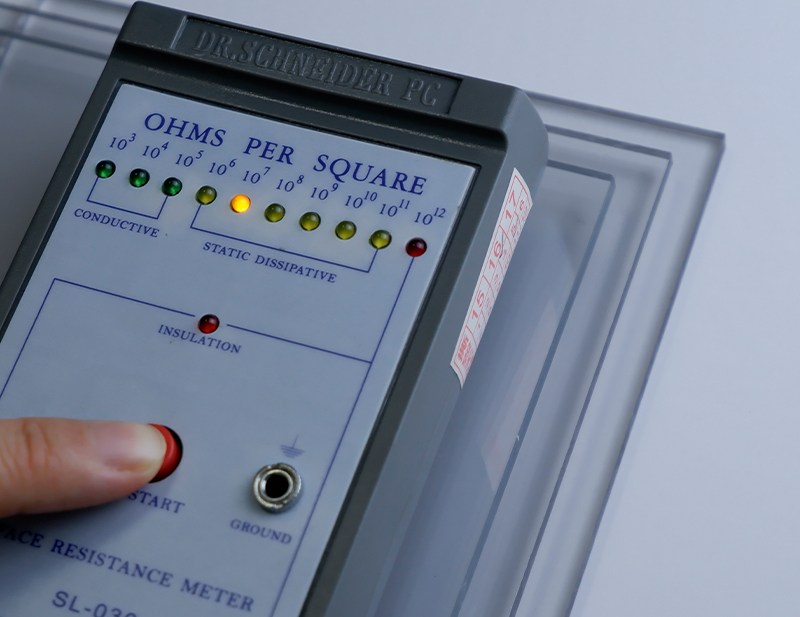
Industrial Automation
Machine guards for automated pick-and-place robots to prevent electrostatic interference with sensitive sensors.
- Equipment viewing windows
- Transparent robot covers
- Cleanroom partitions
- Inspection station shields
RFQ Checks for Faster Quotation
- Target surface resistance range and required standard, such as IEC 61340-5-1.
- Choose Surface Coating or Modified Extrusion based on service life and clarity requirement.
- Thickness, width, length, drawing, tolerance and whether cut-to-size or CNC processing is needed.
- Application: electronics, semiconductor, medical laboratory, cleanroom partition or industrial automation guard.
- Cleaning method, chemical exposure, UV exposure, scratch requirement and expected replacement cycle.
- Related sourcing page: bulk polycarbonate sheets.
Get a Factory Quote
Send resistance target, sheet size, process preference, drawing, quantity and application. Bakway will review it as a cleanroom or industrial ESD transparent sheet project.
ESD Polycarbonate: Surface Resistivity Specifications
| Grade | Surface resistivity | Static decay | Typical use |
|---|---|---|---|
| ESD safe (conductive) | 10⁴–10⁶ Ω/sq | <2 s (5 kV→0) | ESD workstations, machine covers |
| ESD static-dissipative | 10⁶–10⁹ Ω/sq | <2 s | Cleanroom panels, electronics packaging |
| Anti-static (coated) | 10⁹–10¹¹ Ω/sq | <5 s | Display glazing, general protection |
All ESD grades are extruded from 100% virgin PC with permanent (non-wash-off) conductivity. We supply surface-resistivity test reports per batch, and cut-to-size panels with edge finishing for electronics manufacturing.
What is the surface resistance of ESD polycarbonate?
Static-dissipative grade: 10⁶–10⁹ Ω/sq; conductive grade: 10⁴–10⁶ Ω/sq. Both meet ANSI/ESD S20.20 style requirements for work surfaces and covers.
Is ESD polycarbonate the same as anti-static film?
No — ESD PC has conductivity built into the material (permanent, cannot wash off), while anti-static film is a temporary surface treatment. For electronics protection panels, use true ESD PC.
Can you make ESD polycarbonate panels to size?
Yes — cut, drilled and edge-finished to your drawings with per-batch resistivity reports, from 100×100 mm samples to 2100×12000 mm sheets.