Introduction: When UV Degradation Costs You the Project
A single specification oversight on UV protection can turn a polycarbonate roofing project into a warranty claim within 18 months. Yellowing begins at the molecular level, impact resistance drops below design safety margins, and by the time visible hazing appears, the sheet has already lost 15-30% of its notched Izod impact strength per ISO 180/A. For procurement managers, the cost isn’t just replacement panels — it’s installation labor, facility downtime, and reputational damage with the project owner.
This guide walks B2B buyers through the seven technical specifications that matter: co-extrusion layer depth, UV absorber chemistry, accelerated weathering data per ISO 4892-2, side-specific protection, warranty coverage triggers, and batch-level quality documentation. Whether sourcing solid PC sheets for a stadium canopy or multiwall panels for a commercial greenhouse, the risk of under-specifying UV protection compounds with every degree of latitude closer to the equator.
How UV Degradation Destroys Polycarbonate: The Molecular Timeline
Polycarbonate’s bisphenol-A carbonate backbone absorbs UV radiation in the 290-350 nm range, triggering a photo-Fries rearrangement. The carbonate linkage cleaves, forming phenyl salicylate and dihydroxybenzophenone — both absorbing visible blue light, causing characteristic yellowing. This isn’t a surface cosmetic issue; it’s bulk material degradation.
Per ISO 4892-2 (xenon-arc lamp exposure), unprotected polycarbonate shows measurable yellowing (ΔYI > 5) within 500 hours of accelerated weathering — roughly 6 months of subtropical outdoor exposure. After 2,000 hours, notched Izod impact strength (ISO 180/A) drops from 650-850 J/m to below 200 J/m, beneath the safety threshold for architectural glazing. Tensile elongation at break (ISO 527-2) falls from >100% to under 10%, making the material brittle under wind load.
Co-Extrusion vs. Coating: Two UV Protection Methods, a 10-Year Difference
Method 1: Co-Extruded UV Protection (Industry Standard for Outdoor Use)
During sheet extrusion, a concentrated UV absorber layer — typically 30-50 μm thick — is co-extruded as a molecularly bonded cap layer on the weather-exposed face. The absorber, most commonly a benzotriazole or hydroxyphenyl-triazine derivative, is dispersed at 5-8% loading by weight. Because it integrates into the polymer matrix during melt-phase processing, it cannot delaminate, wash off, or abrade away.
Laboratory data from 10-year Florida outdoor weathering (ASTM G7) shows co-extruded UV-protected polycarbonate retains >85% light transmission and >90% impact strength after full exposure. This method is the baseline for any outdoor application exceeding 2 years.
Method 2: Post-Extrusion UV Coating (Budget Option, Limited Life)
Some manufacturers apply UV-curable clearcoat via roll coating or spray at 10-20 μm thickness. These coatings lack molecular entanglement with the substrate and are vulnerable to micro-scratching, acid rain etching, and thermal cycling delamination. A 2019 Fraunhofer ISE study (Report 042/2019) found coated panels lost 22% light transmission versus 8% for co-extruded after 5 years in a Mediterranean climate.
7 UV Protection Specs Every Procurement Manager Must Verify
1. UV Cap Layer Thickness (Minimum 30 μm)
Request cross-section microscopy. The UV cap layer should measure 30-50 μm on the exposed side. Layers below 20 μm provide inadequate protection for equatorial and high-altitude installations. Per EN 16240:2013, the UV-protective layer must be co-extruded, not coated, for compliance.
2. Side-Specific Protection Marking
Every sheet must carry PE masking film printed with “THIS SIDE OUT / UV PROTECTED” at regular intervals. Installing with the unprotected face outward voids EN 16240 compliance and reduces service life by 60-70%.
3. Accelerated Weathering Test Data (ISO 4892-2)
Demand the full xenon-arc test report. Key data: ΔYI (yellowness index change) at 1,000, 2,000, and 4,000 hours; retained light transmission percentage; retained impact strength as percentage of virgin material. Quality UV-protected sheet shows ΔYI < 5 after 2,000 hours.
4. UV Absorber Chemistry Disclosure
Benzotriazole-based absorbers (e.g., Tinuvin 360) provide broad-spectrum protection but can migrate at elevated temperatures. Hydroxyphenyl-triazine absorbers (e.g., Tinuvin 1577) offer superior thermal stability above 80°C continuous service. Ask which chemistry is used — it reveals whether the manufacturer understands the end-use environment.
5. Warranty Yellowing Threshold
Standard warranties define yellowing by ΔYI per ASTM D1925. A 10-year warranty with ΔYI < 10 is common; premium warranties push ΔYI < 8. Read the measurement protocol — some exclude edge-yellowing, others require lab spectrophotometer only, disadvantaging field claims.
6. Batch-Level UV QA Documentation
IATF 16949 certified manufacturers like Bakway provide batch-specific UV cap layer thickness measurements and absorber concentration data. For automotive Tier 1 and Tier 2 applications, IATF 16949 requires documented UV stabilization process control per Clause 8.5.1.
7. Multi-Side Protection for Specific Applications
Standard outdoor panels protect only the weather-exposed face. Swimming pool enclosures, coastal installations with high reflected UV from water, and double-skin facades benefit from two-sided co-extruded UV protection. Specify this explicitly if your installation has reflected UV from the interior side.
Three-Way Comparison: UV Protection Tiers for Polycarbonate Sheet
| Specification | Tier 1: Coated UV (Budget) | Tier 2: Standard Co-Ex | Tier 3: Premium Co-Ex (Bakway) |
|---|---|---|---|
| UV Layer Thickness | 10-20 μm (coated) | 30-40 μm (co-extruded) | 40-50 μm (co-extruded) |
| ISO 4892-2 ΔYI @ 2000h | >10 | < 8 | < 5 |
| Warranty Period | 3-5 years | 10 years | 10-15 years |
| Batch QA Reports | Not available | On request | Provided standard (IATF 16949) |
| Certification | CE or none | ISO 9001 | IATF 16949 + ISO 9001 + ISO 14001 |
| Best For | Temporary structures, indoor | Standard outdoor | Automotive, architectural, equatorial |
Application-Specific UV Protection Requirements
Commercial Greenhouses
UV protection for greenhouses requires a nuanced approach. Standard UV absorbers block 290-350 nm, beneficial for structural longevity. For crops requiring UV-B for secondary metabolite production — certain cannabis strains, tomatoes, and herbs — UV-transparent polycarbonate formulations exist with selective UV cutoffs. Per Wageningen University Report WPR-876 (2021), optimal PAR transmission of 88-92% through multiwall polycarbonate is maintained even with co-extruded UV protection.
Automotive and Heavy Equipment
For heavy equipment cabs, mining vehicles, and agricultural machinery, UV requirements are governed by ISO 4892-2 plus OEM-specific standards. Anti-scratch hard-coated polycarbonate combines UV protection with abrasion resistance. Bakway’s IATF 16949 certification ensures UV stabilization process capability per automotive PPAP Level 3, with documented CpK values for UV layer thickness.
Architectural and Facade Applications
Building-integrated polycarbonate in curtain walls and skylights faces direct and reflected UV. EN 16240:2013 mandates co-extruded UV protection for all multiwall sheets used externally. For solid polycarbonate sheets above 4 mm in architectural use, double-sided UV protection should be specified when interior-facing surfaces face reflected UV.
Price, MOQ, and Lead Time Considerations
UV-protected polycarbonate pricing correlates with cap layer thickness and absorber chemistry. Premium triazine-based formulations add approximately 12-18% to material cost versus generic benzotriazole alternatives, but the 15-year versus 5-year warranty difference makes premium grade cost-effective for any project exceeding 7 years of design life.
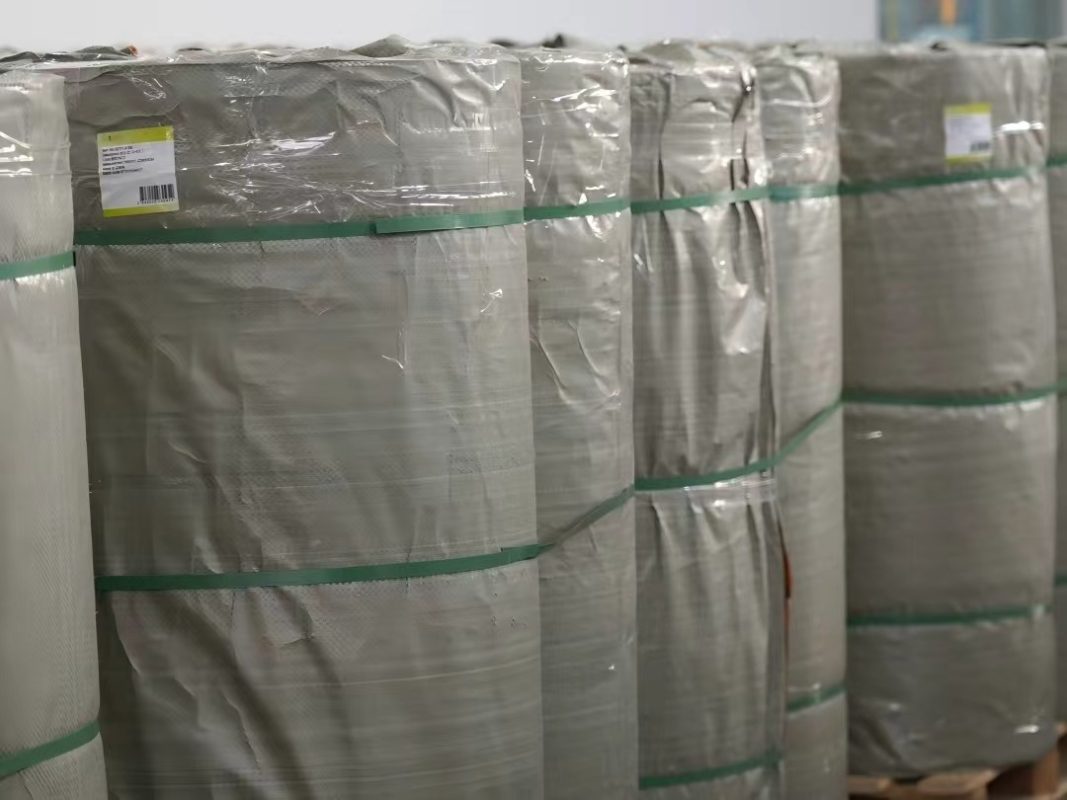
Bakway’s standard production supports MOQs from 200 kg per thickness/color for multiwall polycarbonate sheets and 300 kg for solid sheets. Custom UV formulations — including UV-transparent greenhouse grades and enhanced equatorial grades — are available with typical 15-25 working day lead times. Export packaging includes PE film interleaving, edge protection, and seaworthy wooden crates.
For buyers needing to validate UV performance before container quantities, Bakway provides free A4 samples with full technical datasheets including UV cap layer microscopy, ISO 4892-2 weathering data, and batch traceability. Contact Bakway for samples and a competitive quote.
FAQ: UV Protection and Polycarbonate Sheet
Q: How can I verify that a polycarbonate sheet has genuine co-extruded UV protection and not just a coating?
A: Three verification methods: (1) Cross-section microscopy — a 30-50 μm distinct surface layer under 200x magnification confirms co-extrusion; a thin irregular layer suggests coating. (2) Solvent wipe test per EN 16240:2013 Annex B — acetone partially dissolves UV coatings but leaves co-extruded layers intact. (3) Request the manufacturer’s ISO 4892-2 weathering report — co-extruded sheets maintain ΔYI < 5 at 2,000+ hours, while coated sheets exceed ΔYI 10 by 1,000 hours. Bakway provides all three verification documents as standard.
Q: What UV protection grade do I need for a high-UV region like the Middle East or Southeast Asia?
A: For locations with annual UV Index > 8 (equatorial Africa, Middle East, Southeast Asia, northern Australia), specify enhanced UV protection with minimum 50 μm co-extruded cap layer and triazine-based UV absorber chemistry. The accelerated weathering benchmark should be ≥ 4,000 hours ISO 4892-2 with ΔYI < 6. Specify two-sided UV protection if the reverse face is subject to reflected UV from sand, water, or light-colored surfaces. Contact Bakway's technical team for regional UV exposure data and matched product recommendations.
References
- ISO 4892-2:2013 — Plastics — Methods of exposure to laboratory light sources — Part 2: Xenon-arc lamps. International Organization for Standardization.
- EN 16240:2013 — Light transmitting flat multiwall polycarbonate (PC) sheets for internal and external use in roofs, walls and ceilings. European Committee for Standardization.
- ISO 180:2019 — Plastics — Determination of Izod impact strength. International Organization for Standardization.
- ASTM D1003-21 — Standard Test Method for Haze and Luminous Transmittance of Transparent Plastics. ASTM International.
- Fraunhofer ISE Report 042/2019 — Comparative weathering analysis of polymer glazing materials for agricultural solar applications.
- Wageningen University & Research Report WPR-876 (2021) — Light transmission properties of greenhouse covering materials.
About Bakway — Your IATF 16949 Certified Polycarbonate Sheet Manufacturer
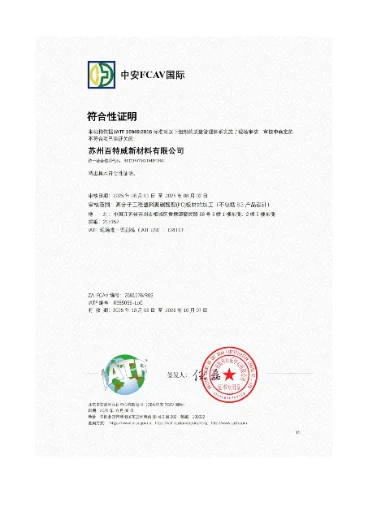
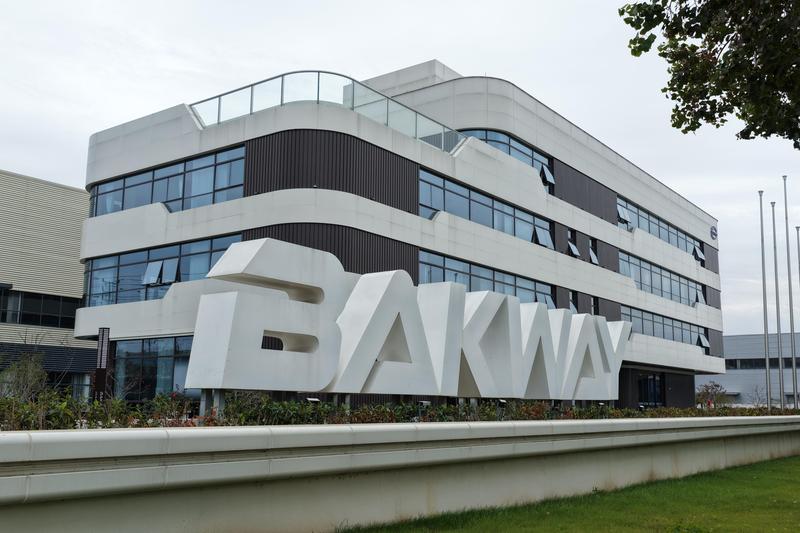
Bakway Advanced Material Co., Ltd. is the largest and most professional PC sheet manufacturer in Eastern China, with 40,000㎡ of base sheet production workshop and 15,000㎡ of sheet processing workshop. Located just 80km from Shanghai Port, we offer efficient sea freight worldwide. Our Singapore and Indonesia branches enable direct transshipment globally, saving significant import duties for customers. With IATF 16949, ISO 9001 and ISO 14001 certifications, we provide 23+ precision processing services to clients across 40+ countries. Contact us for free samples and competitive quotes.